


HALDIMAND—Haldimand Norfolk Health and Social Services (HNHSS) is behind a new community drug and alcohol strategy that will utilize a four-pillar approach toward reducing the harmful impacts of substance use in the region.
According to Jackie Wood, HNHSS Program Manager of Planning and Evaluation, the new approach is well-needed within Haldimand and Norfolk. In 2022 there were 6,500 naloxone doses provided, and 19 opioid deaths with fentanyl present in 60% of those deaths.
“As we look back at the impact of opioid deaths in our region in the last two decades, we can see an increase in more toxic opioids and an escalating number of fatalities,” said Wood.
On alcohol, Wood noted 557 ER visits in 2021 “entirely attributable to alcohol,” while noting that Haldimand has had the “highest self-reported rate of consuming seven or more standard drinks in the past seven days” in the province as well.
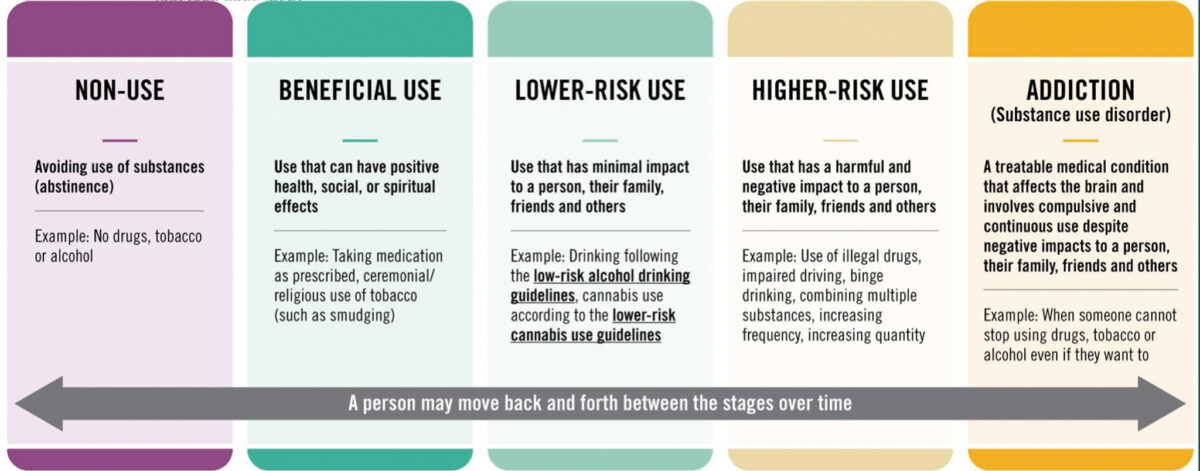
“Altogether these statistics are very concerning, but the last is the most severe, as this indicator represents the highest risk on the health risk continuum used by Canada,” said Wood.
Next up was smoking, which Wood attributed to 201 deaths, 763 hospitalizations, and 1,824 ER visits in an average year in Haldimand. Further, Wood said those stats account for 18.1% of all deaths, 9.3% of all hospitalizations, and 4.2% of all ER visits.
On cannabis, Wood said the number of ER visits for cannabis-related poisoning per 100,000 people has risen 55% since 2021.
“The harms of cannabis should not be underestimated. As such, the HNHU is working with the Canadian Centre on Substance Use and Addictions to promote the pediatric cannabis poisonings toolkit,” said Wood, noting that Haldimand’s rate of youths aged 0-12 who experience cannabis poisoning remains higher than the Ontario average after sitting on top in 2021.
She added, “This toolkit conveys the important message of keeping cannabis and edibles stored out of reach of children in the same way we do for other dangerous household items.”
She said a big part of the new strategy is about starting at the root.
“The root causes of substance use include a complex mixture of biological, environmental, and social factors,” said Wood. “No one can completely predict who will have a substance abuse disorder, making substance abuse a complex problem requiring a comprehensive approach.”
The new strategy touts an “evidence-based approach.… It provides a framework for action, bringing together partners from across sectors to work towards common goals, including reducing substance use prevalence, improving access for services, reducing stigma, and enhancing community safety.”
Wood explained the four-pillar approach using a river as an analogy.
“Imagine a river running through our community representing the challenges of substance use. There’s a risk for people falling in the river and being swept away.”
Using the strategies’ approach, education would be the first tool used to help steer at-risk people away from the edge of the river: “We will educate youth about the risk of substance abuse…. This includes enhancing school-based interventions, prevention programs, and community awareness campaigns.”
If someone does end up in the river, the next step is helping them swim to shore by focusing on “providing accessible, evidence-based treatment services for substance use disorder. This includes increasing access to counselling, medication-assisted treatment, and residential treatment programs.”
Wood said for instances where the river is too dangerous to go in after someone, harm reduction becomes the focus, calling this step a crucial component of the strategy focused on reducing the harms related to substance use: “This includes distributing naloxone kits, provisioning sterile supplies to lower blood-born infection rates, and support programs.”
The last pillar is community safety, which Wood analogized as “keeping the people safe by making the river harder to access and punishment for anyone pushing people into the river” by addressing the “crime and social disorder related to problematic drug and alcohol use.”
Toward that goal, the strategy calls for increased collaboration between health and social services and law enforcement, including “implementation of diversion programs for low-risk offenders and exploring safer options.”
She concluded, “These pillars create a comprehensive approach to substance abuse, ensuring the wellbeing and safety of all residents in our community.”
Councillor Stewart Patterson asked Wood where the stats used as the basis for the strategy came from.
“All of the data used for this presentation came from either national or provincial reputable data sources,” said Wood.
Mayor Shelley Ann Bentley concluded the discussion by thanking HNHSS for their work: “I know this is very important for our community and I look forward to seeing what your four pillars can do to help us out with our crisis here.”
